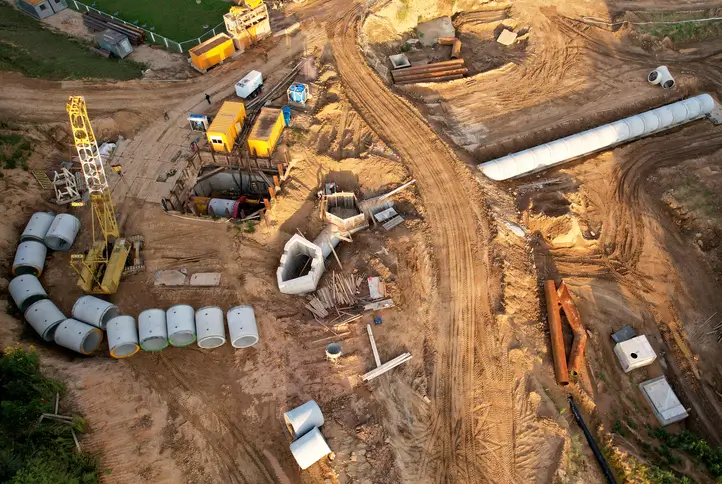
Every construction project needs a plan for how water moves across the site. Uncontrolled stormwater can create major problems by washing sediment into streets, drains, and waterways. It can also damage unfinished work, weaken soil, and create unsafe conditions for crews, leading to compliance issues, failed inspections, and unexpected costs. That’s why stormwater planning is crucial for any project, regardless of size. A strong plan protects the land, nearby properties, and public infrastructure while demonstrating responsible site management. It acts as a guide for controlling runoff, reducing erosion, and preventing pollutants from leaving the site. When the team understands and follows the plan, the project runs more smoothly.
Why Stormwater Control Is a Serious Construction Issue
Construction sites are especially vulnerable to runoff because of disturbed soil. When vegetation is cleared and the ground is exposed, rainwater can carry loose sediment far beyond the work area, clogging drains, affecting water quality, and creating hazardous conditions. Stormwater can also carry pollutants like dust, debris, fuels, oils, and building waste off-site, leading to environmental issues, corrective actions, and project delays. Effective stormwater control mitigates these risks before they escalate, providing a system for managing runoff that supports safety, cleanliness, and compliance. A well-managed site is also easier to inspect, maintain, and prepare for changing weather.
The Role of a Stormwater Plan
A stormwater plan details how to prevent erosion and control sediment during construction. It identifies potential runoff areas, specifies which protection measures to use, and outlines their maintenance schedule. These measures might include barriers, stabilized entrances, and designated material storage areas. The plan aligns contractors, project managers, and site teams, so everyone knows where to install controls, when to inspect them, and how to respond if a measure fails. This framework is useful when weather changes or the project enters a new phase, as a site may require different controls during clearing, grading, or final stabilization. A clear plan makes it easier to adapt while protecting the site.
Why Inspections Matter Just as Much as the Plan
A plan is useless if it’s not followed correctly. Stormwater controls can shift, fill with sediment, break, or become ineffective after rainfall or heavy site activity. As a project develops, materials get moved, drainage paths change, and new risks emerge. This is where a SWPPP inspection is essential. An inspection confirms that stormwater measures are in place, functioning correctly, and updated for the site’s current condition. It allows the team to catch minor issues before they become larger, more expensive problems. Regular inspections promote proactive accountability. Instead of waiting for runoff damage or a compliance issue, teams can identify and correct weak points immediately, protecting both the project and its managers.
How Stormwater Planning Helps the Project Stay on Track
Construction delays aren’t just caused by labor or material shortages—poor site conditions after a storm can also halt progress. Washed-out slopes, muddy access, blocked drains, and sediment buildup can stop daily operations and require cleanup before work can continue. A solid stormwater strategy minimizes these disruptions. By controlling runoff and maintaining protective measures, crews can work in a more stable environment with safer equipment access and better-protected materials. This also helps control costs, as preventing erosion is far cheaper than repairing damage, regrading surfaces, and addressing violations. Proactive planning supports better budget management throughout the project.
Supporting Compliance and Professional Standards
Adhering to stormwater requirements is a key part of responsible construction management. Projects must limit runoff and prevent pollutants from leaving the site, or they risk jeopardizing permits and inspections. A well-designed stormwater pollution prevention plan shows that a project is managed with care and that the team is protecting surrounding areas. This is crucial not just for compliance, but for professional reputation. A site with clean entrances, stable controls, and documented checks sends a clear message of professionalism, building trust among owners, developers, and inspectors and helping to reduce potential issues.
Conclusion
Every construction project temporarily alters the land, creating a responsibility to manage water carefully. Proper stormwater planning prevents harm to nearby properties, drainage systems, and natural resources. It’s a practical approach that protects the site, guides the team, and reduces preventable setbacks, creating a safer, more efficient work environment. When project teams prioritize stormwater management, they aren’t just meeting a requirement—they’re safeguarding the project’s success. Careful planning, regular oversight, and timely maintenance are essential for keeping construction sites cleaner, safer, and better prepared for any challenge.