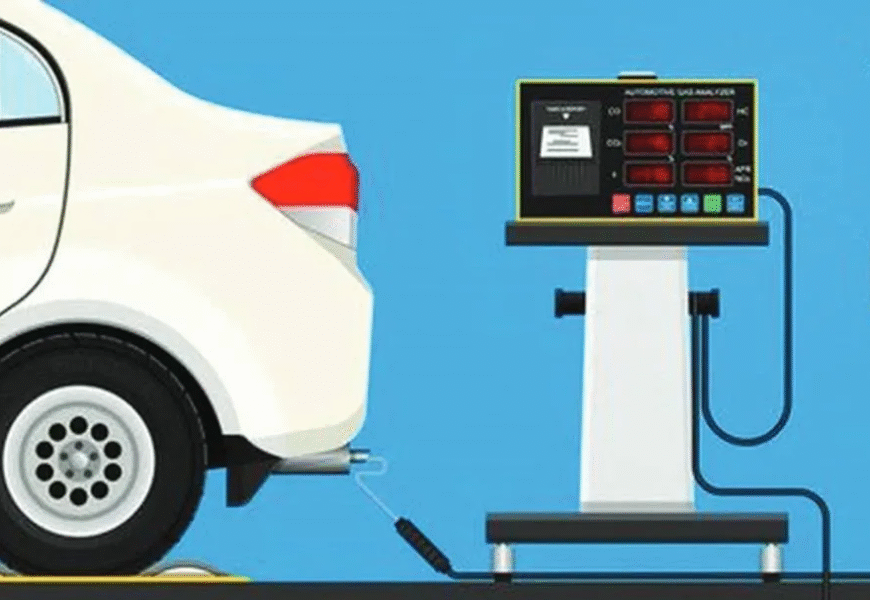
Routine vehicle maintenance is more than just oil changes and tire rotations. Emissions testing is another crucial step that drivers shouldn’t overlook, as it ensures your vehicle runs cleanly and efficiently while contributing to better air quality. Excessive emissions often indicate an underlying issue with the engine, fuel, or exhaust system. Regular testing can catch these problems early, preventing them from becoming larger, more expensive repairs. For dependable performance and responsible car ownership, scheduling a timely emissions test in Orem can make all the difference.
What Emissions Testing Checks
An emissions test measures the pollutants your vehicle releases, including carbon monoxide, nitrogen oxides, and hydrocarbons. High levels of these substances contribute to air pollution and can indicate mechanical issues. During the inspection, technicians examine the onboard diagnostics system, emissions control components, and exhaust output to determine if the vehicle meets local standards. A failed test usually means repairs are needed to comply with regulations. This process not only supports cleaner air but also encourages better vehicle maintenance.
Why Regular Testing Is Important
Emissions testing isn’t just about meeting legal requirements; it offers several practical benefits. A vehicle that passes its test is often more efficient than one with hidden engine or exhaust problems. When emissions-related parts work correctly, the car burns fuel more effectively and puts less strain on critical systems. Regular testing can also reveal warning signs that aren’t yet obvious during daily driving, such as a minor sensor issue or a small drop in efficiency. Addressing these problems early can reduce repair costs and prevent major mechanical failures down the road. For vehicle owners, staying current with this service is also a smart way to avoid last-minute stress when registration renewal is due.
Common Issues That Can Cause a Failed Test
A variety of vehicle issues can lead to poor emissions results. A faulty oxygen sensor is a common culprit, as it disrupts the engine’s fuel-to-air ratio. Similarly, a damaged catalytic converter will fail to properly treat harmful gases before they exit the exhaust system. Other frequent causes include worn spark plugs, a loose gas cap, vacuum leaks, and an illuminated check engine light. Even a seemingly minor problem can impact emissions, which is why a failed test shouldn’t be seen as bad news. It often serves as an early warning, allowing you to fix an issue before it becomes more expensive or compromises your vehicle’s reliability.
The Environmental Impact of Emissions Testing
Vehicle emissions directly impact air quality. When excess pollutants enter the atmosphere, they can cause smog and other environmental problems. Regular testing helps reduce the number of high-emission vehicles on the road, benefiting the environment and public health. By keeping their emissions in check, drivers do more than just maintain their vehicles—they contribute to a cleaner, healthier community. This is particularly important in growing areas where increased traffic can quickly affect air quality. Cleaner-running vehicles help create better conditions for everyone, including families, pedestrians, and other drivers.
How Emissions Testing Supports Vehicle Performance
Excessive emissions often indicate that a vehicle isn’t operating at its best. Issues with the fuel system, ignition, or exhaust can degrade performance, leading to rough idling, lower fuel economy, or delayed acceleration. An illuminated warning light can also signal a problem. Routine emissions inspections can help detect these issues before they significantly impact your driving experience and ensure your car remains dependable. Preventive care is usually more affordable than waiting for a breakdown and a major repair bill. By staying proactive about maintenance and emissions compliance, drivers can enjoy smoother performance and more confidence on the road.
Choosing the Right Time for an Inspection
The best time to schedule an emissions test is before your registration is due or as soon as you notice any performance issues. If your check engine light is on, your fuel economy has dropped, or your car feels different to drive, it’s wise to get it inspected. Staying informed about local testing requirements also helps you prepare in advance. Integrating emissions testing into your regular maintenance routine can save you time and stress. Instead of rushing to fix a problem at the last minute, you can address potential issues early and keep your vehicle in good condition.
Conclusion
Regular emissions testing is one of the simplest ways to protect your vehicle, your budget, and the environment. It uncovers hidden issues, improves fuel efficiency, and ensures your car meets required standards. An emissions test isn’t just a box to check—it’s practical preventive care that benefits both you and the community. By making time for an emissions test, you’re taking an important step toward safer, cleaner, and more reliable driving. A well-maintained vehicle performs better and lasts longer, making emissions testing a smart habit for any responsible car owner.