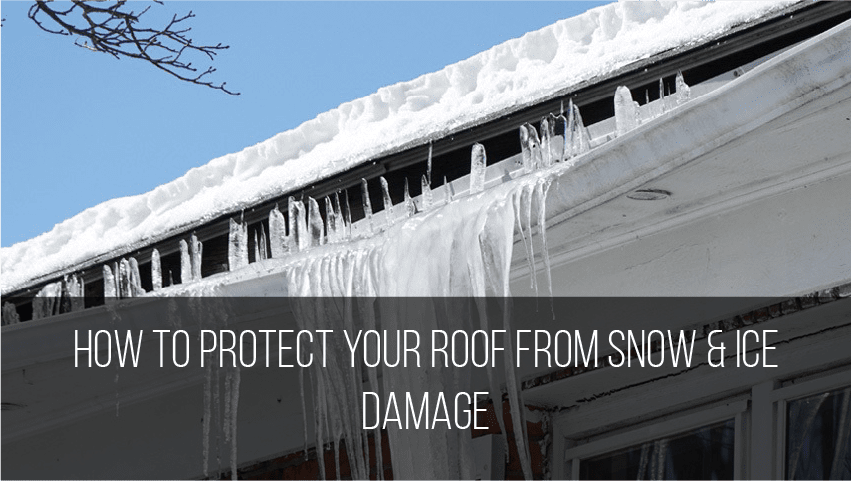
Heavy snow accumulation on a roof is more than an inconvenience — it can cause serious structural damage, ice dam formation, and dangerous conditions around the home. Understanding the different types of snow melt systems available is the first step toward choosing the right protection for your property.
Why Roof Snow Melt Systems Matter
Snow and ice buildup on a roof creates a cycle of problems that compounds over time. As heat escapes through the roof, snow melts and refreezes at the eaves, forming ice dams that force water back under shingles and into the home’s interior. Left unaddressed, this process leads to water damage, insulation failure, and costly structural repairs.
A roof snow melt system interrupts this cycle before it starts. By maintaining a consistent temperature across vulnerable areas of the roof, these systems prevent ice dam formation, reduce the weight load snow places on the structure, and eliminate the need for manual snow removal — which carries its own risk of roof damage and personal injury.
Types of Roof Snow Melt Systems
Different systems approach the problem of roof snow and ice in different ways. Each has its own set of strengths, installation requirements, and operating costs. Here is a breakdown of the most common options available to homeowners.
Electric Heat Cable Systems
Electric heat cable systems are the most widely used roof snow melt solution for residential properties. They consist of self-regulating or constant-wattage cables installed along the roof’s eaves, in gutters, and through downspouts — the areas most vulnerable to ice dam formation.
Self-regulating cables are the more popular of the two variants. These cables automatically adjust their heat output based on the surrounding temperature, consuming more energy when conditions are coldest and scaling back when temperatures rise. This self-regulating behavior reduces energy consumption compared to constant-wattage cables, which output a fixed level of heat regardless of outdoor conditions.
Electric heat cable systems are relatively straightforward to install and can often be retrofitted onto existing roofs without significant structural modification. They work well on asphalt shingles, metal roofing, and most other common residential roofing materials. The primary operating cost is electricity, which varies depending on the size of the installation and how frequently the system runs during winter months.
Hydronic Roof Snow Melt Systems
Hydronic systems circulate a heated mixture of water and antifreeze through tubing installed beneath the roofing surface. A boiler heats the fluid, which travels through the tubing and radiates heat evenly across the roof surface, melting snow and ice as it accumulates.
These systems are more commonly found in new construction or major roofing projects, as installation requires access beneath the roofing material. Retrofitting a hydronic system onto an existing roof is significantly more involved than installing heat cables, making it a less practical option for most existing homes.
The advantage of a hydronic system is its ability to cover large roof surfaces evenly and efficiently. For homes with extensive roof areas or complex rooflines, hydronic systems can provide more uniform coverage than cable systems. Operating costs depend on the fuel source for the boiler — natural gas systems tend to be less expensive to run than electric-powered alternatives.
Panel-Based Electric Systems
Panel-based electric systems use pre-manufactured heating panels installed directly on the roof surface, typically along eaves and valleys. Unlike heat cables, which are routed in a zigzag pattern, panels provide a continuous heated surface across a defined area.
These systems are particularly well-suited for metal roofing, where panels can be integrated cleanly into the roof’s profile. They offer consistent heat distribution and are generally easier to install than custom-routed cable systems on complex rooflines. Panel systems are available in a range of sizes and wattages, allowing for a reasonably tailored installation based on the home’s specific exposure and snow load conditions.
Roof Deicing Mats
Roof deicing mats are a simpler, more accessible entry point for homeowners seeking targeted ice dam prevention without a full system installation. These flat, flexible mats are placed along the eaves of the roof and connected to a standard electrical outlet. They heat the surface beneath them, creating channels through which melting snow can drain safely rather than refreeze at the roofline.
Deicing mats are best suited for homes with straightforward eave configurations and moderate snow accumulation. They are less effective on complex rooflines or in areas that experience heavy, sustained snowfall. However, for homeowners seeking a cost-effective solution to a localized ice dam problem, mats offer a practical starting point before committing to a more comprehensive system.
Choosing the Right System for Your Home
The best roof snow melt system for your home depends on several factors: the type and complexity of your roofline, the severity of winter conditions in your area, whether you are building new or retrofitting an existing roof, and your budget for both installation and ongoing operating costs.
Homeowners researching roof snow melt systems in Utah will find that the state’s varied climate — from the heavy Wasatch Front snowfall to milder conditions further south — means that system sizing and placement must be carefully matched to local conditions. Consulting with a qualified installer familiar with Utah’s regional weather patterns ensures your system is designed to handle the specific snow loads and temperature fluctuations your home will face each winter.
Conclusion
The right protection for your roof is one that matches your home’s roofline, your local climate, and your long-term budget — not simply the most powerful or most expensive option available.