There are many ways to protect home appliances from power spikes, which include using protectors like a UPS Uninterrupted Power Supply. But because electrical safety issues come in many different forms, there are other preventative measures you need to learn and understand.
Understanding Voltage Fluctuations
Electricity providers are constantly looking for ways to deliver quality, uninterrupted power to homes and businesses. But distribution is only one of four parts of the electrical supply system, which means there might be disturbances along the way.
- With specific and multiple safety measures in place, voltage fluctuations don’t pose any real danger or nuisance to consumers. The problem arises when appliances don’t operate within voltage limits.
- Interruptions in the mains power supply rarely happen, but when they do, they are usually caused by an overload, short circuits, or voltage spikes.
- If the voltage is too low, appliances are at risk of damage due to their components melting. If it’s the opposite, appliances will have to run faster or higher than designed to keep up. This results in a shorter service lifespan.
Strategies to Protect Electrical Safety Devices
Buy quality appliances
What better way to ensure your home appliances last longer than to buy items that meet quality standards?
- Check that electrical products and appliances come with safety labels specifically for electrical goods. Different approval schemes have a specific approval number or mark. NSW Fair Trading, for example, is stamped as NSWxxxxx.
- If you don’t see any of the approval marks or numbers on the box or the appliance itself, ask the salesperson to show you. If they fail to do so, you can report the store for selling unapproved electrical articles.
- Even with quality marking, ask if a specific appliance requires a separate protector against high voltage spikes due to lightning strikes and other power disturbances.
Surge protectors
Although rare, a power surge can still happen during a grid collapse, causing the voltage to spike to dangerous levels.
- Surge protectors shield your appliances from voltage spikes that usually happen the moment power is restored after a collapse.
- These devices absorb excess electrical energy that can easily damage different appliances.
- When shopping for surge protectors, never skimp on quality, especially when they’re going to be used on major appliances like refrigerators and computers.
- Check the energy absorption rating. 600 to 1000 joules is enough for basic protection, but sensitive devices will require a rating of over 2000 joules.
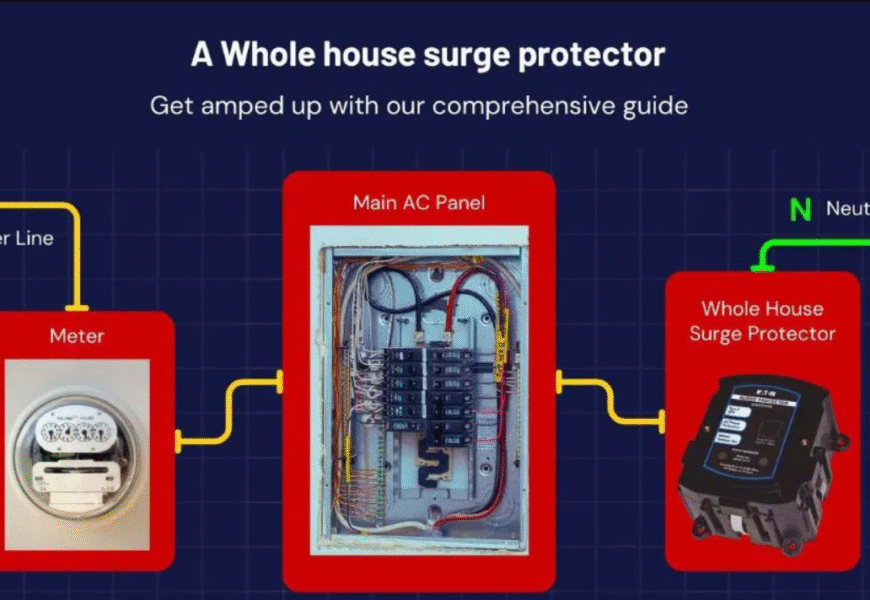
- Surge protectors can be individual or a whole-home protective device. If you go for the former, make sure major appliances are connected to individual surge protectors.
Voltage stabilisers
As already mentioned, voltage fluctuations and instability can cause damage to electrical appliances and even increase maintenance costs.
- Installing a voltage stabiliser, also known as an Automatic and Safe Voltage Regulator (AVR), helps regulate the voltage that enters home appliances. Even when the power grid fluctuates, voltage delivery is stabilised.
- These devices are your first line of defence against damage to sensitive appliances like refrigerators, air conditioners, and medical equipment.
- Make sure the stabiliser you use is rated for an appliance’s specific power requirements. To protect against low or high voltage fluctuations, look for a device with a wider voltage range.
- Check the load capacity of a voltage stabiliser, and make sure it has overload protection.
Uninterruptible power supply systems
A UPS is one of those power devices that many fail to appreciate. It can be likened to a cloud-based email solution that can do wonders for a business but many have yet to explore. Put simply, it serves as a temporary backup power during a sudden power outage.
- Following a grid collapse, a UPS provides backup power for your devices to run for a short time or depending on battery capacity. If you’re working on a desktop computer, you’ll be able to save your work and shut down the system instead of the appliance turning off at exactly the same time a grid collapses.
- Another function of a UPS system is to regulate power flow, providing appliances with another layer of surge protection.
- When choosing a UPS, consider the power backup needs of different devices, such as computers or routers, and choose a device with the most efficient battery capacity.
Ground fault circuit interrupter (GFCI)
GFCI has saved many lives by preventing electric shocks and fires. This is why it’s mandatory according to Australian standards.
- A GFCI detects any current imbalance and quickly cuts off power to prevent electric shock.
- Check if your home’s electrical system is fitted with a GFCI, especially if you live in older properties. A professional electrician can easily retrofit the system to boost safety.
- This device must be installed in areas prone to electrical imbalance, such as kitchens and bathrooms.
- Different types of GFCIs are designed for different applications and installations. All of these require regular testing and maintenance to ensure they work effectively.
Whether your location experiences power surges frequently, it’s better to take preventative measures to protect appliances and yourself from power-related risks. Most of these devices are inexpensive but deliver life-saving benefits, something you couldn’t put a price on. Ready to explore different UPS solutions for your home or business? Consult UPS Solutions to identify the critical power solution you need.