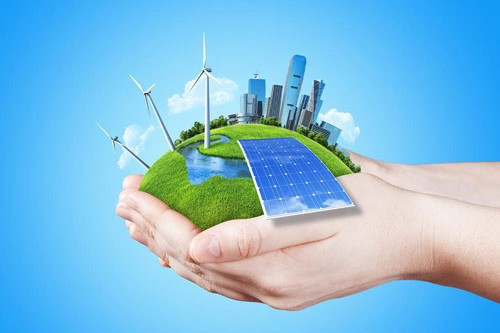
For decades, economic development and environmental protection were seen as opposing forces. The traditional narrative suggested that to have a thriving industrial sector, one had to sacrifice the natural world. Conversely, protecting nature supposedly meant stifling economic progress. This binary way of thinking is rapidly becoming obsolete. A new paradigm known as green growth is emerging, proving that industrial success and ecological health can not only coexist but reinforce each other.
The concept revolves around fostering economic growth and development while ensuring that natural assets continue to provide the resources and environmental services on which our well-being relies. It is about shifting away from the “grow now, clean up later” mentality toward a model where sustainability is baked into the foundation of industrial operations.
The Economic Case for Sustainability
Many business leaders used to view environmental regulations as a burden, a cost that ate into profits. However, the modern market tells a different story. Efficiency is now synonymous with profitability. Reducing waste, optimizing energy use, and minimizing resource consumption lowers operational costs significantly.
When factories use less water or recycle heat, they save money. Moreover, investors are increasingly looking at Environmental, Social, and Governance (ESG) criteria before committing capital. Companies with strong green credentials often enjoy better access to financing and lower insurance premiums. The market rewards those who plan for the long term rather than those who focus solely on quarterly returns at the expense of the environment.
Innovation Driving the Transition
Technology plays a pivotal role in bridging the gap between industry and nature. We are seeing a surge in “clean tech” that allows heavy industries to reduce their carbon footprint without reducing output. For instance, the steel and cement industries, traditionally high emitters, are experimenting with hydrogen fuel and carbon capture technologies.
Circular economy principles are also reshaping manufacturing. Instead of the linear “take-make-dispose” model, forward-thinking companies are designing products that can be disassembled and reused. This reduces the need for raw material extraction, which is often the most ecologically damaging part of the industrial process. By keeping materials in use for longer, industries reduce their impact on ecosystems while insulating themselves from volatile commodity prices.
Navigating the Regulatory Landscape
Transitioning to a green economy requires navigating a complex web of local, regional, and international regulations. Governments are setting stricter limits on emissions, waste disposal, and land use. Compliance is no longer just about avoiding fines; it is about maintaining a “social license to operate.”
This is where specialized expertise becomes crucial. Companies often rely on environmental permitting consultants to guide them through the intricate approval processes required for new projects or expansions. These experts help businesses understand the specific ecological constraints of a site and design their operations to meet legal standards while minimizing environmental harm. Proper planning ensures that projects do not stall due to regulatory hurdles, saving time and money in the long run.
The Role of Renewable Energy
Energy consumption is the heartbeat of industry. The shift from fossil fuels to renewable sources like wind, solar, and geothermal is the most visible aspect of green growth. Factories are increasingly installing solar panels on their roofs or entering power purchase agreements with renewable energy providers.
This switch does more than just lower carbon emissions. It provides energy security. Fossil fuel markets are notoriously volatile, subject to geopolitical tensions and supply chain disruptions. Renewable energy, once the infrastructure is in place, offers a more predictable and often cheaper cost structure. By generating their own clean power, industries can insulate themselves from price spikes while demonstrating a commitment to a cleaner planet.
A Collaborative Future
Achieving true green growth requires collaboration across sectors. No single company or industry can solve the climate crisis alone. We need industrial symbiosis, where the waste of one company becomes the raw material for another. We need public-private partnerships to fund large-scale green infrastructure projects.
The path forward is clear. We must move beyond the old conflict between smokestacks and forests. The industries that will thrive in the coming decades are those that understand their dependence on a healthy planet. Green growth is not just an environmental imperative; it is the only viable economic strategy for the future. By embracing innovation, efficiency, and sustainable practices, we can build an industrial sector that supports rather than depletes the world around us.