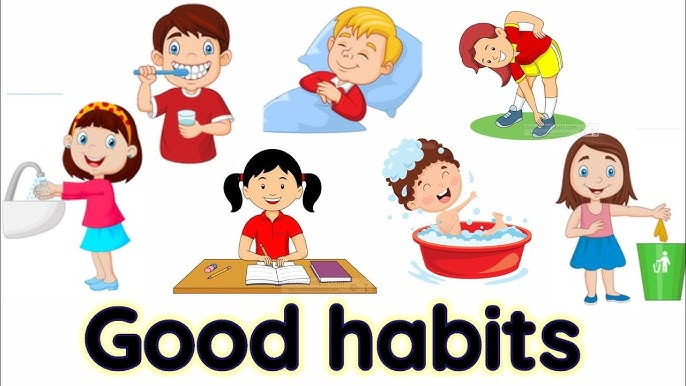
The early years of a child’s life are often compared to the foundation of a house. If the base is solid, everything built upon it stands a much better chance of weathering storms and standing tall. While we often focus on milestones like walking, talking, and reading, the lifestyle habits established during these formative years are just as critical. They act as the blueprint for a child’s future health, influencing everything from their physical growth to their emotional resilience.
Fueling Little Bodies with Balanced Nutrition
Nutrition in the early years is about more than just filling a hungry tummy; it is about providing the raw materials necessary for rapid brain and body development. However, navigating the world of toddler appetites—where a favorite food one day is rejected the next—can be challenging.
Focus on Variety, Not Volume
Young children are excellent at regulating their energy intake. Some days they may eat seemingly nothing, and other days they may seem like bottomless pits. Instead of focusing on how much they eat at a single meal, look at their intake over the course of a week.
Aim to offer a “rainbow” of foods. Different colored fruits and vegetables provide different vitamins and phytonutrients. A helpful strategy is to follow the “division of responsibility”:
- ** The Parents’ Job:** Decide what is served, when it is served, and where it is served.
- ** The Child’s Job:** Decide whether to eat and how much to eat.
This approach reduces power struggles at the dinner table and helps children listen to their internal hunger cues.
Hydration Matters
Water plays a vital role in digestion, temperature regulation, and concentration. Make water the primary beverage choice. While fruit juice is popular, it often contains high amounts of sugar without the beneficial fiber found in whole fruit. Keeping a designated water bottle accessible to your child throughout the day encourages them to sip regularly without needing to ask.
Involve Them in the Process
Children are far more likely to try a new vegetable if they helped pick it out at the grocery store or wash it in the sink. Cooking together allows them to explore textures and smells before the food even hits the plate, making the actual act of eating less intimidating.
Moving and Grooving: The Joy of Physical Activity
For young children, exercise doesn’t mean hitting the gym or running laps; it means play. Physical activity helps build strong bones and muscles, improves coordination, and significantly boosts mood and sleep quality.
Gross Motor Skills
Activities that use large muscle groups are essential. This includes running, jumping, climbing, and balancing.
- Outdoor Play: Nature provides the best gym. Uneven terrain challenges their balance, while trees and playground structures build upper body strength.
- Indoor Obstacle Courses: On rainy days, use pillows, couch cushions, and masking tape on the floor to create a fun course that requires crawling, hopping, and balancing.
Limiting Sedentary Time
Screens are a reality of modern life, but finding a balance is key. Excessive screen time can displace opportunities for active play. The World Health Organization suggests limited screen time for children under five, encouraging interactive play instead. When screens are used, try to make it a shared activity where you engage with the content together, turning a passive activity into an active discussion.
Make it a Family Affair
The most effective way to get kids moving is to move with them. Host a family dance party in the living room, go for a post-dinner walk, or play a game of tag. When children see their parents enjoying physical activity, they view it as a fun, normal part of life rather than a chore.
The Power of Restorative Sleep
Sleep is the time when the brain processes the day’s events, consolidates memories, and when the body releases growth hormones. A well-rested child is generally happier, more adaptable, and better able to learn than a sleep-deprived one.
Establishing a Routine
Consistency creates a sense of security. A predictable bedtime sequence signals to the child’s brain that it is time to wind down. This might look like:
- Bath time: Warm water relaxes muscles.
- Pajamas and teeth brushing: Hygiene cues.
- Reading: A quiet, bonding activity.
- Lights out: A dark, cool room promotes better sleep quality.
Try to keep wake-up times and bedtimes relatively consistent, even on weekends. This helps regulate the body’s internal clock (circadian rhythm), making falling asleep easier.
Understanding Sleep Needs
While every child is different, toddlers and preschoolers generally need between 10 to 13 hours of sleep, including naps. If your child is consistently difficult to wake in the morning or holds it together all day only to have meltdowns in the late afternoon, they might not be getting enough rest.
Scrub, Brush, and Floss: Hygiene Basics
Good hygiene habits prevent illness and set the stage for social confidence. While tasks like handwashing and tooth brushing can feel mundane, they are critical defenses against germs and decay.
Handwashing Heroes
Teaching children when and how to wash their hands is one of the most effective ways to prevent the spread of infection.
- When: Before eating, after using the bathroom, and after playing outside or with pets.
- How: Use soap and water, scrubbing for at least 20 seconds. Singing the “Happy Birthday” song twice is a great time for young kids.
Dental Health
Oral hygiene should start as soon as the first tooth appears. Brushing twice a day—once in the morning and once before bed—prevents plaque buildup.
- Supervision is Key: Young children lack the manual dexterity to brush effectively on their own until they are about 7 or 8 years old. You can let them take a turn to practice, but an adult should always do a thorough follow-up brush.
- Professional Care: It is recommended to establish a “dental home” early. A visit to a pediatric dentist, like those in Layton, by age one (or within six months of the first tooth erupting) helps monitor development and acclimatizes the child to the dental environment, reducing fear and anxiety in the future.
Nurturing Little Minds: Emotional Well-being
Health is not just physical; mental and emotional health are equally vital. Early childhood is when children learn to identify, understand, and manage their feelings.
Emotional Literacy
Just as we teach children the names of colors and shapes, we must teach them the names of emotions. When a child is crying because their tower fell over, narrate the experience: “You look frustrated that your tower fell. You worked hard on that.” This validates their experience and gives them the vocabulary to express themselves verbally rather than physically.
Connection and Security
A child’s emotional well-being is rooted in their relationship with their caregivers. Knowing they have a secure base to return to allows them to explore the world with confidence. Spend dedicated one-on-one time with your child each day—even just 15 minutes of uninterrupted play where they lead the activity can strengthen your bond significantly.
Modeling Coping Strategies
Children watch how adults handle stress. If you yell when you drop a glass or sigh heavily when stuck in traffic, they notice. Try to model healthy coping mechanisms. You might say, “I am feeling stressed right now, so I am going to take three deep breaths to help me calm down.” This teaches them that emotions are normal and manageable.
Conclusion
Building healthy habits in early childhood is a marathon, not a sprint. There will be days when dinner is chicken nuggets, the iPad stays on too long, and teeth get a quick scrub rather than a full two minutes. That is perfectly okay. Perfection is not the goal; consistency and intention are.