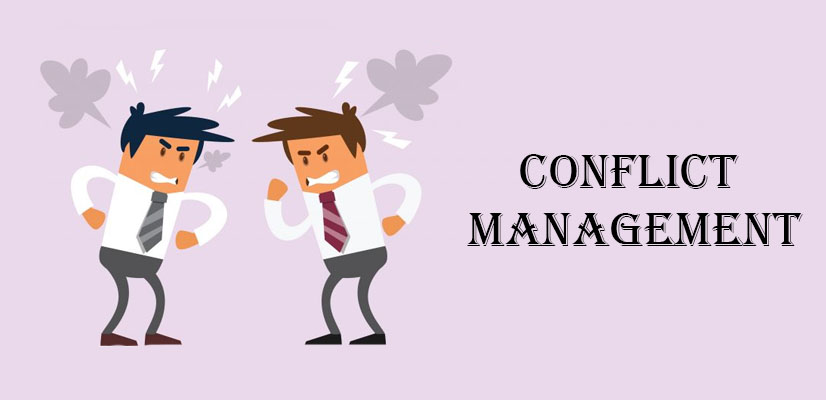
Conflict is an inevitable part of professional life. Whenever you gather a diverse group of individuals with unique backgrounds, perspectives, and working styles, friction is bound to occur. However, conflict isn’t inherently negative; when managed effectively, it can lead to innovation, improved processes, and a deeper understanding among team members. Conversely, poorly handled disputes can fester, creating a toxic environment that drives down morale and productivity.
According to a study by CPP, Inc., employees in the United States spend approximately 2.8 hours per week dealing with conflict, amounting to billions of dollars in paid hours annually. For managers, the ability to identify the root cause of a disagreement and intervene appropriately is not just a soft skill—it’s a critical business competency. By understanding the different types of conflicts that arise, leaders can turn potential disruptions into opportunities for growth. Here are seven types of workplace conflicts that managers need to handle with care and precision.
1. Task Interdependence Conflicts
One of the most common sources of friction occurs when the completion of one person’s task depends on another’s. If an engineer is waiting for designs from a graphic designer who is behind schedule, frustration naturally builds. This type of conflict is often structural rather than personal.
To resolve this, managers must clarify workflows and set clear expectations regarding deadlines and handoffs. Implementing project management tools that provide visibility into everyone’s progress can alleviate the “blame game.” Encouraging open communication where team members can flag delays early without fear of retribution allows for schedule adjustments before tension boils over.
2. Leadership Style Differences
Conflict doesn’t just happen between peers; it frequently occurs between leaders and their teams, or between two managers with different approaches. One leader might be directive and authoritative, valuing speed and compliance, while another might be participative and democratic, valuing consensus and creativity.
When these styles clash, it can confuse employees and stall decision-making. Managers need to practice self-awareness and adaptability. Recognizing that different situations require different leadership styles is key. Facilitating a dialogue where leaders explain the “why” behind their methods can help bridge the gap, ensuring that the focus remains on shared organizational goals rather than ego.
3. Work Style Clashes
Similar to leadership differences, individual contributors have unique ways of working. Some employees thrive in a fast-paced environment and prefer to complete tasks quickly, while others are methodical and detail-oriented, requiring more time to ensure perfection.
Managers should frame these differences as complementary rather than contradictory. A “speedster” and a “perfectionist” can actually make a great team if they respect each other’s strengths—one ensures momentum while the other ensures quality. Assessing team members using personality or work-style assessments can provide a neutral language for discussing these differences and finding a middle ground.
4. Personality Clashes
Sometimes, people simply do not get along. Fundamental differences in temperament or values often fuel personality clashes. Unlike task-based conflicts, these are deeply personal and can be the most difficult to resolve because they are often irrational or emotional.
Managers should avoid trying to “fix” personalities. Instead, focus on behavior and professional conduct. Mediation is often necessary here. Bringing the parties together to establish boundaries and ground rules for interaction is essential. The goal isn’t to make them friends, but to ensure they can work together respectfully and effectively.
5. Creative Idea Conflict
Creative friction is often a sign of a healthy, innovative team. When employees argue about the best strategic direction or the design of a new product, it shows they are passionate and engaged. However, if this debate becomes personal (“Your idea is stupid” vs. “I don’t think that idea solves the problem”), it becomes destructive.
Managers should encourage “intellectual conflict” while discouraging personal attacks. Creating a safe space for brainstorming where all ideas are evaluated against objective criteria—data, customer needs, or budget—helps depersonalize the rejection of an idea. This keeps the energy focused on problem-solving rather than winning an argument.
6. Discrimination and Harassment Issues
This is the most critical and dangerous type of conflict. It involves behavior that targets an individual based on race, gender, age, religion, or other protected characteristics. These conflicts are not just HR issues; they are legal liabilities and moral failings that can destroy a company’s reputation.
Immediate and decisive action is required. Managers must have zero tolerance for harassment and must follow established protocols strictly. For smaller businesses or those without a robust internal HR infrastructure, handling these investigations can be daunting. In such cases, partnering with a PEO Salt Lake City can provide the necessary compliance support and risk management expertise to handle these sensitive situations correctly and legally.
7. Resource Allocation
Resources—whether it’s budget, time, tools, or staff—are finite. Conflict often erupts when different departments or team members compete for these limited assets. A marketing manager might fight with a sales manager over who gets the larger share of the quarterly budget.
Transparency is the antidote to resource conflict. Managers need to communicate clearly how allocation decisions are made and link them back to the broader company strategy. When employees understand the rationale behind the distribution of resources, they are less likely to feel personally slighted. Negotiation skills are also vital here; finding win-win scenarios where resources can be shared or timelines shifted can diffuse tension.
Conclusion
Navigating workplace conflict requires a blend of empathy, strategy, and firmness. By correctly identifying the type of conflict at play—whether it’s a simple clash of work styles or a serious compliance issue—managers can apply the right solution. Addressing these issues head-on not only resolves immediate tension but builds a resilient culture where employees feel heard, respected, and valued.